Accessibility & WCAG: A Proactive Foundation
Philosophy & Approach
Equal access is the foundational component of my professional practice. I believe that every learner deserves the opportunity to engage with educational content that is intuitive, perceivable, and robust. My journey in accessibility spans web development, curriculum design, and event management, allowing me to view inclusive design through multiple technical and pedagogical lenses.
From Reactive to Proactive Design
Early in my career as an Assistive Technology Specialist, I oversaw the remediation of content and the development of alternate text formats to meet specific student accommodations. This experience provided a critical realization: the traditional model of student accommodation is often a reactive response to inaccessible design.
To address this, I shifted my focus toward Universal Design for Learning (UDL) principles. By engaging proactively with deans, faculty, and stakeholders, I moved accessibility “upstream” in the development process. This work included:
-
Instructional Design Training: Mentoring other designers on building natively accessible courses.
-
OER Advocacy: Guiding faculty in adopting Open Educational Resources (OER) to increase both financial and physical access to learning materials.
-
Strategic Consultation: Transitioning the faculty mindset from “fixing” content to “designing for all” from the start.
Technical Standards & Compliance
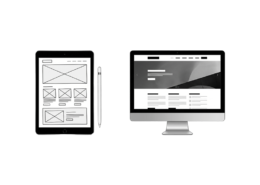
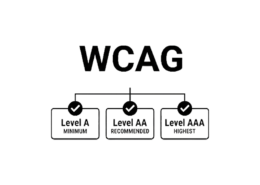
I utilize a backwards design approach to ensure all digital assets—from complex web interfaces to simple handouts—adhere to the highest possible WCAG (Web Content Accessibility Guidelines) standards.
-
Compliance: Ensuring rigorous adherence to ADA (Americans with Disabilities Act) requirements to mitigate organizational risk and prioritize student success.
-
Taxonomy of the Medium: Analyzing how different populations (including those using screen readers or assistive switch devices) consume content before the first line of code or content is written.
-
Long-term Sustainability: Designing for accessibility at the outset to eliminate the need for future “band-aid” remediations or costly retrofitting.
Active Memberships & Community Leadership
-
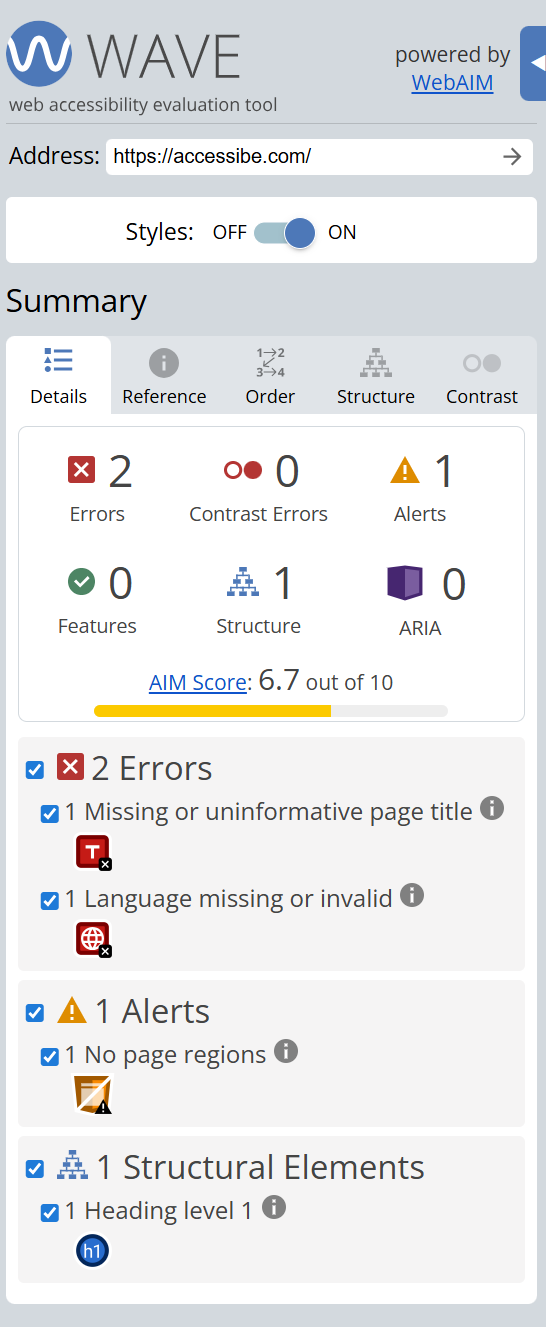
Global Accessibility Awareness Committee (University of Denver): Member for over 4 years, contributing to project management, programming, and event management to foster a culture of inclusion.
- Colorado and Wyoming Association on Higher Education and Disability (COWY AHEAD): Active member dedicated to staying at the forefront of regional and national accessibility trends.
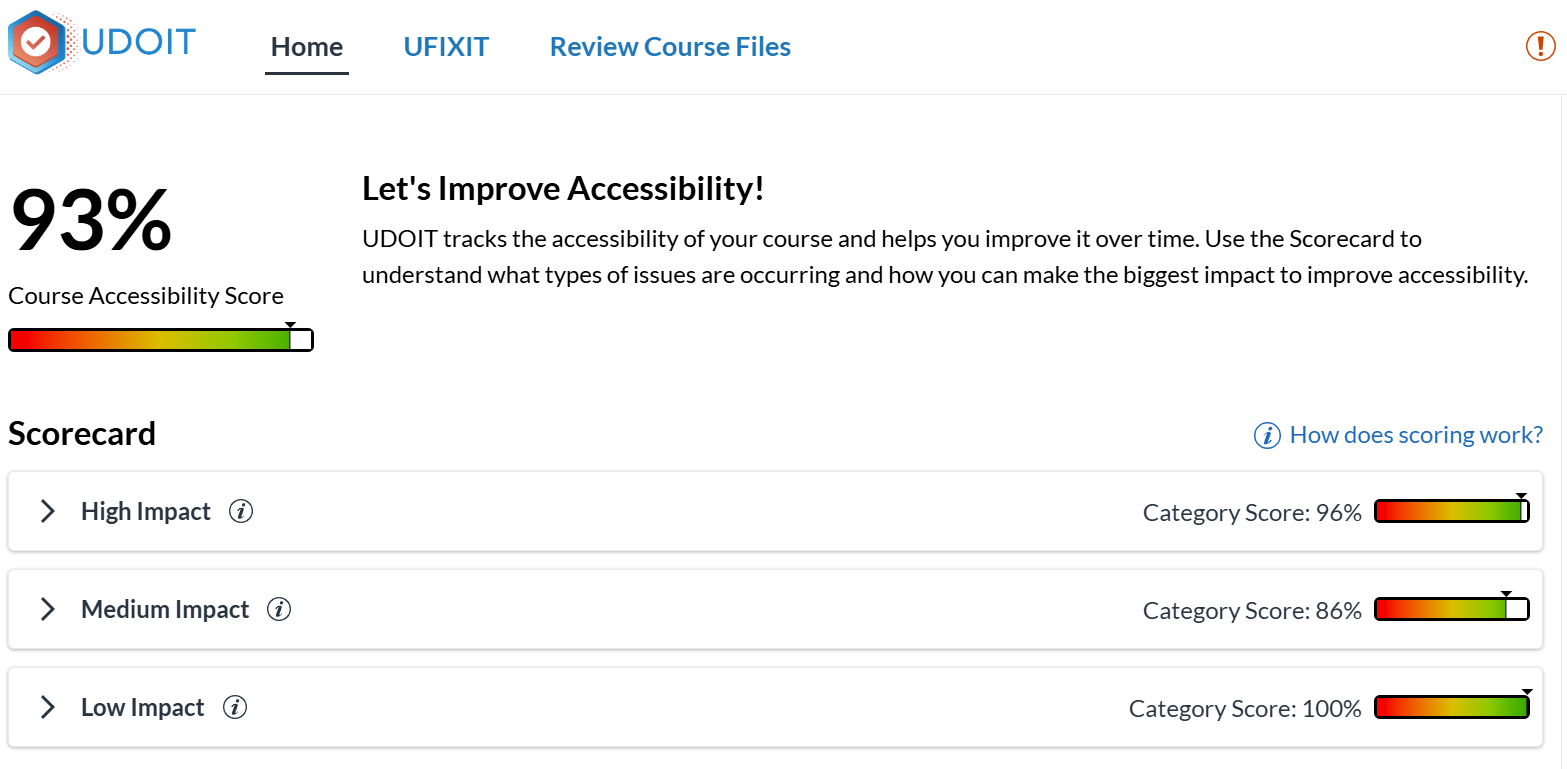
I integrate UDOIT into my Canvas workflow to conduct comprehensive accessibility audits across entire modules and full course architectures. This toolkit allows me to identify systemic issues across diverse content types—such as files, pages, and announcements—enabling me to perform bulk remediations and maintain institutional compliance at scale.
I utilize industry-standard auditing tools like WAVE and other automated WCAG checkers to perform rigorous accessibility scans on every digital asset I develop. These technical audits allow me to identify and remediate potential barriers in real-time, ensuring all content meets the highest standards of compliance before it ever reaches the learner.